The road into the mill valley is narrow, and that is rather the point. By the time you park, you can hear water going over the sluice, and the day ahead has a shape to it: a working mill in the morning, a rope walk in the afternoon, and a supplier or two in between. This is a route for people who keep a hank of cord in the glovebox, who would rather watch a wheel turn than read about one on a panel. It fills a day comfortably, and it survives rain with a small change of order.
Morning: The Mill, Before the Coaches Arrive
Arrive fifteen minutes before opening and walk the outside first. Most visitors go straight for the door and miss the best part: the millrace, the sluice gate with its iron rack, the wheel pit, the tailrace where the water leaves. Look at the stone sill under the gate. If it is worn into a curve, water has been running there for a very long time, and someone has been lifting that gate by hand for most of it.
At the desk, ask one question before anything else: when will the wheel run? Many small mills turn the wheel at set times rather than continuously, and an hour spent in the wrong slot means you see a static wheel and a lot of explanatory panels. If there is a milling day, plan the trip around it. Watching grain go in at the top and flour come out at the bottom explains more in five minutes than a room of text.
Inside, look up as well as down. The sack hoist, the wooden grain bins, the belt-driven gearing and the tentering gear that sets the gap between the stones are usually the parts that make people stop and stare. The floor will be damp, the air cool, and the stairs to the stone floor narrow and steep. Wear shoes with grip. Keep hands off anything moving, and hold children back from the stone casing; a running pair of millstones is not a thing to lean on.
The Rope Walk: How to Read a Long, Narrow Building
Rope-making needed distance, and distance shaped the buildings. A rope walk is exactly what the name says: a long, narrow shed where the maker walked backwards, paying out fibre from a bundle at the waist while a hook spun it into yarn. Yarns were stretched down the length of the building, twisted into strands, and the strands twisted again into rope. The walking is where the name comes from, and once you know that, the odd proportions of these buildings stop being odd.
What to look for inside
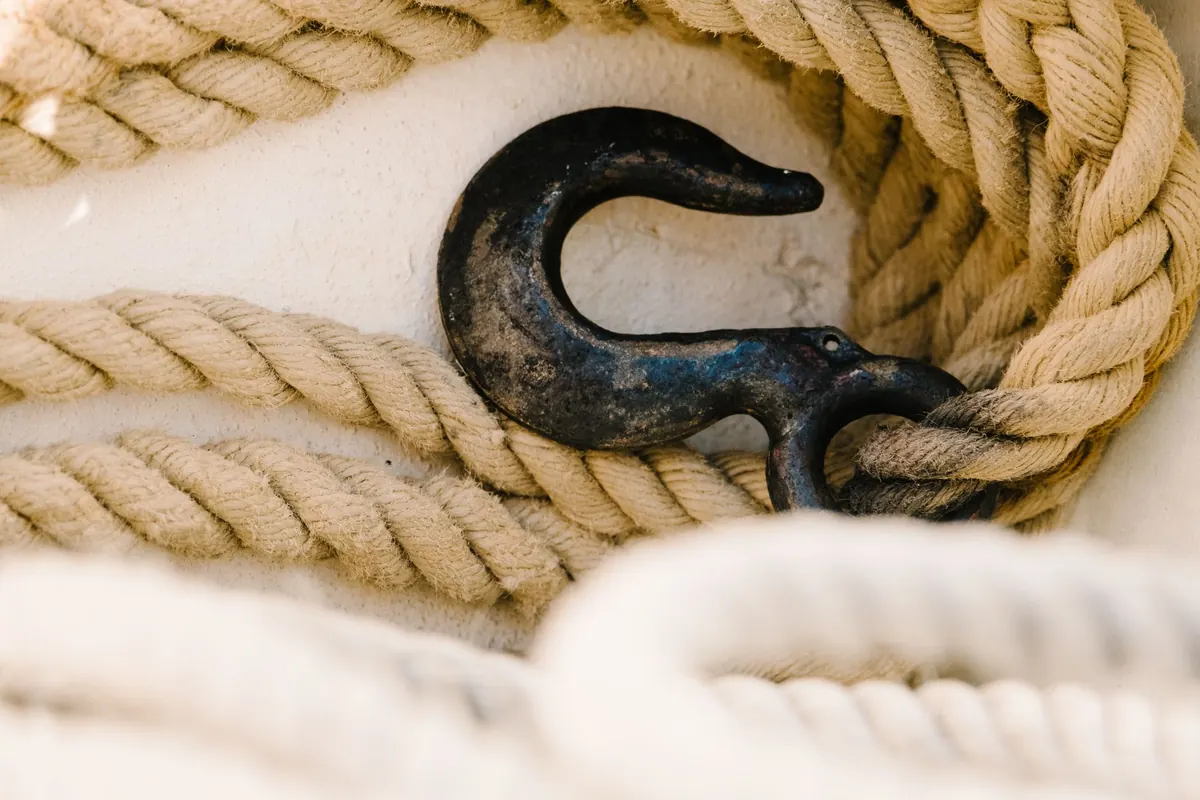
Length first. Some walks ran the better part of a few hundred paces, and you can still feel that in the proportions: a corridor of a building, often barely wide enough for two people to pass. Look for the iron hooks set into the beams at both ends, the worn boards where feet turned, the marks scratched or painted on the wall for measuring finished lengths, and the small stove or tar kettle that kept the fibre supple or the rope dressed.
What to look for outside
Walks were usually pushed to the edge of a town where land was cheap, so check the fringe of the centre rather than the main square: long, low rooflines, north-light windows for even illumination, wide doors at both gables. Many have been converted, and a few are open as small museums or workshops. Ask locally which parts are original; a rebuilt roof is not a disappointment, but knowing the difference makes the visit better.
If someone is demonstrating a spinning hook, stay for it. A short demonstration of twisting yarn explains the whole trade, and the person doing it will usually answer the question you actually came with: how the cord you buy in a shop relates to what was made here.
Lunch, and the Quiet Middle of the Day
Small towns still close in the middle of the day, and suppliers along with them. Use that hour for eating. Ask what is made nearby rather than what is on the laminated menu, and if it is market day, eat at the market. This is also the right moment to check your notes from the mill and decide which supplier is worth the detour, because the afternoon is short once you start talking cord.
Buying Cord: What to Ask at the Counter
The best cord usually comes from places that do not think of themselves as craft shops: an independent hardware store, a ropemaker selling offcuts, a farm supply merchant, a chandlery if you are near water. Go in with a scrap of cord you already like and a tape measure, and ask about construction before you ask about colour.
- Construction: three-strand twisted, braided, or core-and-sheath. Each one behaves differently once knotted, and the same diameter can feel like two different materials.
- Fibre: hemp, jute, cotton or sisal for natural; polypropylene, polyester or nylon for synthetic. Ask plainly, and ask whether the cord is a blend.
- Diameter and length: diameter is given in millimetres, but check how much is actually on the spool. A full-looking spool can be short.
- Colourfastness: dyed cotton and jute can transfer colour, especially when damp. Ask before you buy a quantity for a project that will be handled.
- Remnants: end-of-spool lengths and box lots are often the best value for small work. It costs nothing to ask.
A few behaviours are worth knowing before you commit. Natural fibres stiffen and shrink when wet, which matters for anything that will live outdoors. Cotton softens with handling and takes a knot beautifully. Nylon stretches and is strong but does not enjoy long sun exposure; polyester holds up better outside. Polypropylene floats, costs little, and is slippery, so knots need extra tucks and a longer tail.
Pay in cash where you can, and take a card. Small merchants often prefer one and only accept the other. If you are buying for a group or a workshop, ask about a full box or a spool price; the answer is frequently better than the shelf price, and it is a normal question rather than a cheeky one.
Test every new cord with the knot you actually plan to use. A bowline in slick braid and a bowline in soft hemp are not the same knot in practice.
An Hour of Knots by the Water
Before the drive home, find a bench and cut a metre off each new purchase. New cord is stiff and slightly waxy, and it will not knot the way the worn line in your pocket does, which is exactly why it is worth ten minutes now. Tie a figure-eight stopper, a bowline, and a constrictor. Note which one slipped, and how much tail you needed.
Then finish the ends properly before they go into a bag: whip them with waxed thread, or melt synthetic ends carefully with a lighter and a damp cloth. Keep the heat away from your fingers and do it outside; melted synthetic smells unpleasant and the fumes are not worth breathing in a car. Write the supplier, fibre, construction and diameter on a scrap of card and keep it with the cord. Next time, you will know what to ask for.
Before You Go: A Short Checklist
- Confirm opening hours by phone or the town noticeboard. Small mills often open only at weekends or by appointment, and grinding days vary.
- Ask when the wheel runs, and build the morning around that time.
- Wear shoes with grip and bring a layer; stone buildings are cold even in summer.
- Carry cash, a tape measure, a notebook and a scrap of cord you already like.
- Check the weather if the rope walk is an outdoor site, and have an indoor alternative ready.
- Respect working buildings: stay behind barriers, keep hands off machinery, and follow any photography rules.
One last piece of timing. Leave the supplier visit for the end of the afternoon, when the counter is quiet and the person serving has time to talk. That conversation is usually the most useful part of the trip, and it is the reason to go in person rather than order online.
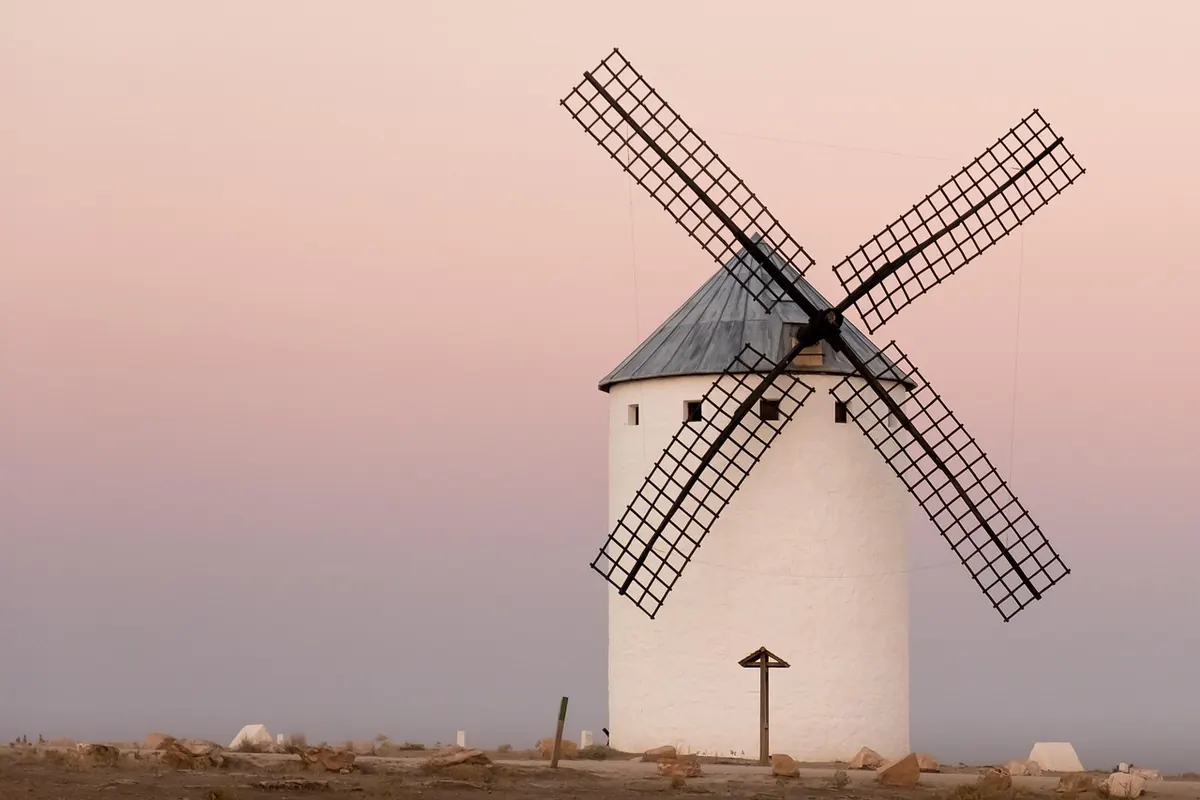
Photo: manolofranco / Pixabay